website design
websites should be more than
pretty colors and trendy fonts.
websites that drive results
Your business needs to drive leads and sales opportunities. Our website design services marry design, marketing and technology to create websites that perform as great as they look.

Our websites check all the boxes:
- Lead generation
- SEO friendly
- Responsive mobile design
- Webservices & integrations
- Support and optimizations
- Security & accessibility
how we do it
Do you need a website that’s feature-rich, highly-responsive and scalable? We work with you through every step of the web design and development process, from design conceptualization -- until it’s time to go live. Our collaboration will ensure an optimal design outcome.
- Strategy and Planning
- Sitemaps and Wireframes
- Project Management
- Responsive Web Design
- Custom Web Development
- CMS Development
- Quality Assurance & Testing
- Website Support and Optimizations
- Managed Hosting
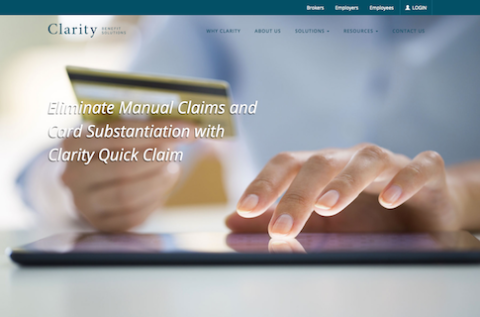
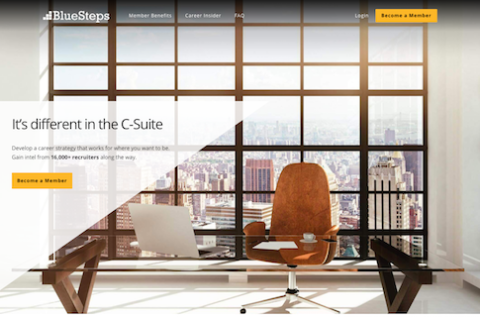
website design work

what we build

websites
We develop websites using open-source frameworks such as Drupal and Wordpress result in high performance, highly customizable, secure and durable websites.

e-commerce
Our ecommerce websites are designed to convert and sell using effective marketing strategies aimed at long term growth. We build high-performance shopping cart solutions that are secure and scalable.

applications
We build superior custom business applications that serve millions of users using PHP/MySQL, AngularJs, Symfony, iOS, Android, and Twitter Bootstrap.
web design new york
Avatar New York web design company is focused on building scalable websites for growing companies. In today's highly competitive online marketplace, websites play a crucial role in driving leads and sales. An Avatar New York designed website will form the center of your sales funnel: attracting visitors, converting customers, and nurturing leads.
web design company
- responsive web design
- b2b websites
- custom web development
- website support & optimizations
- managed hosting